
Raffle winner is~
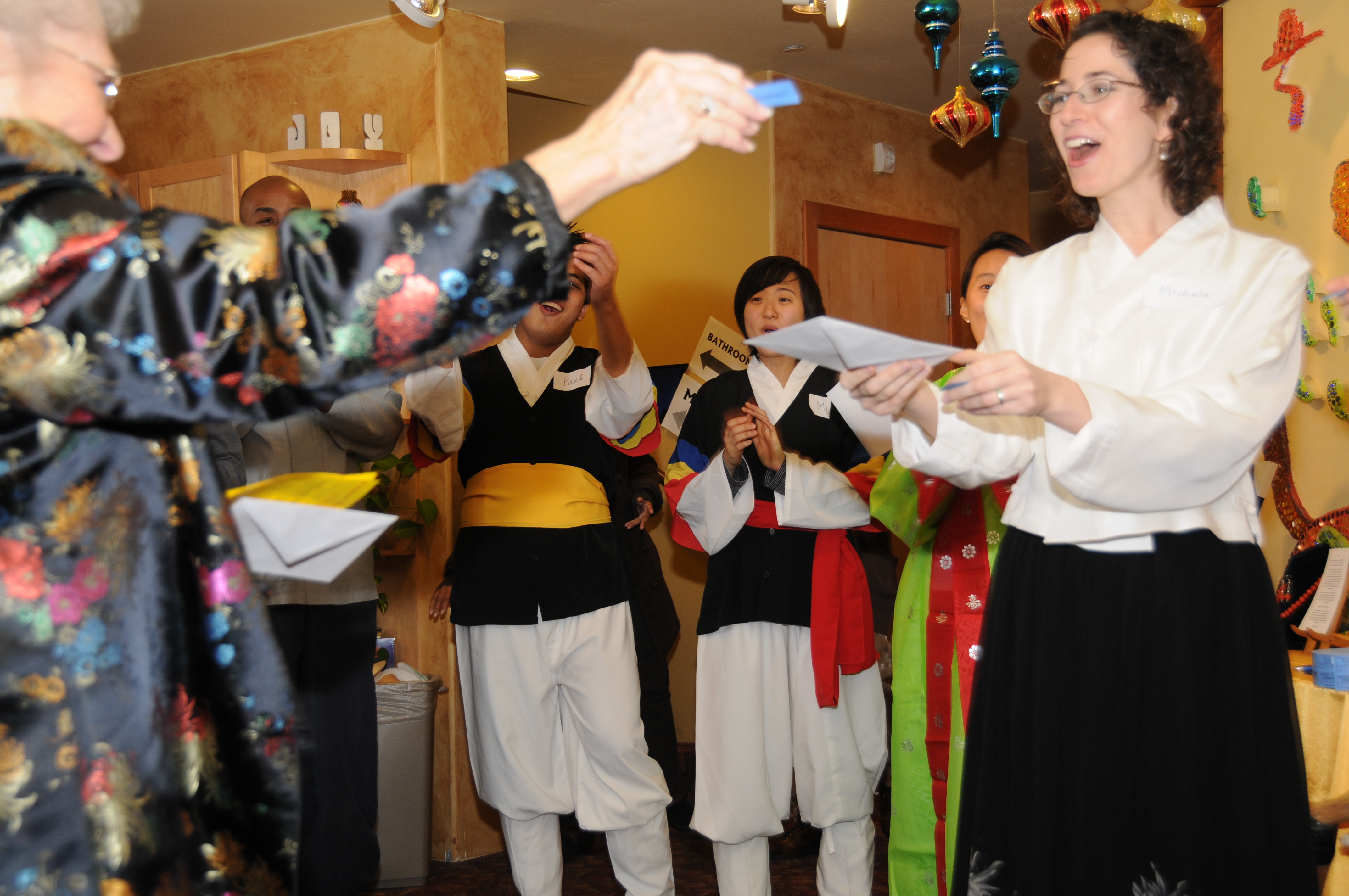
I'm a winner!
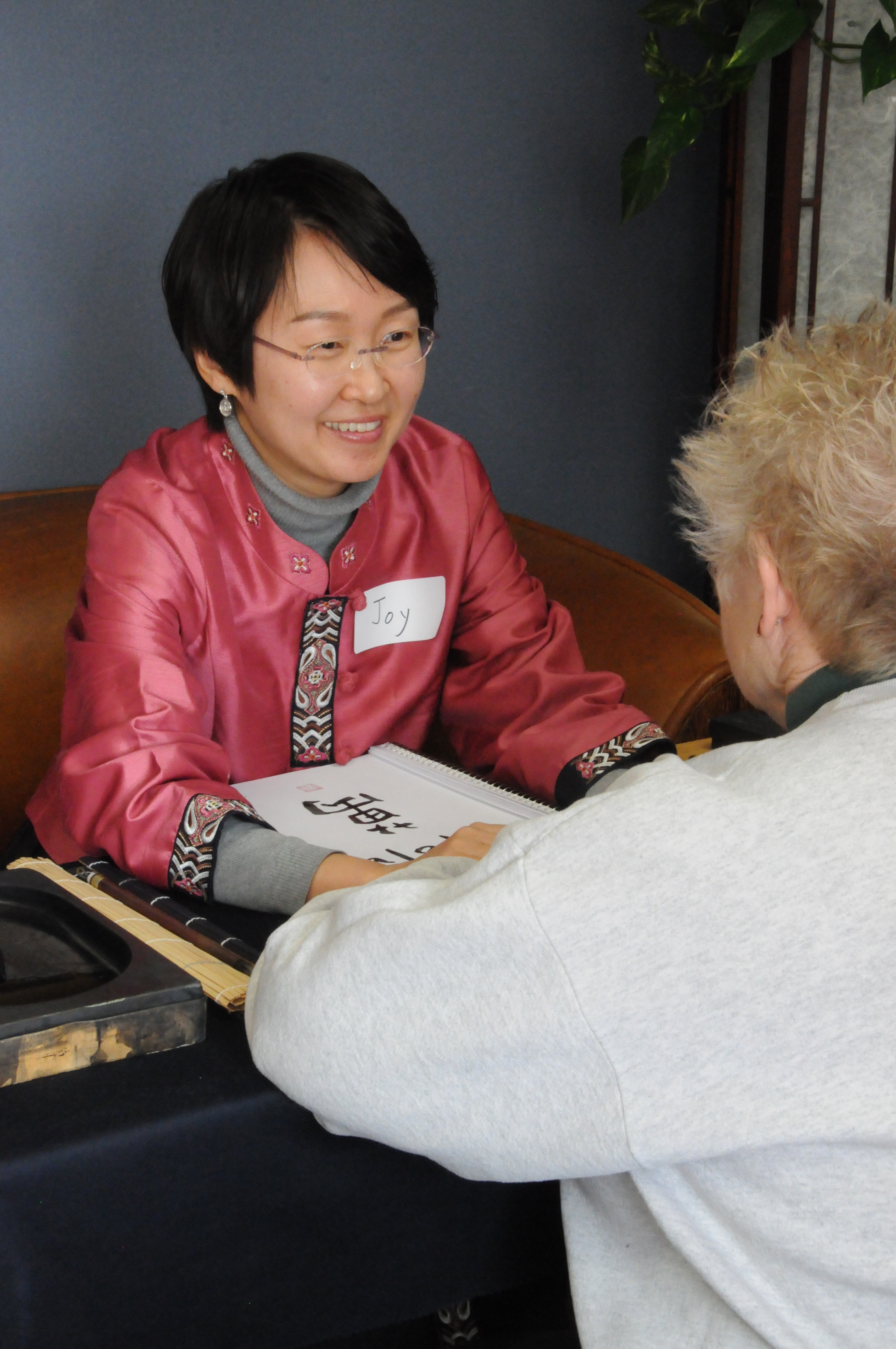
Calligraphy Message
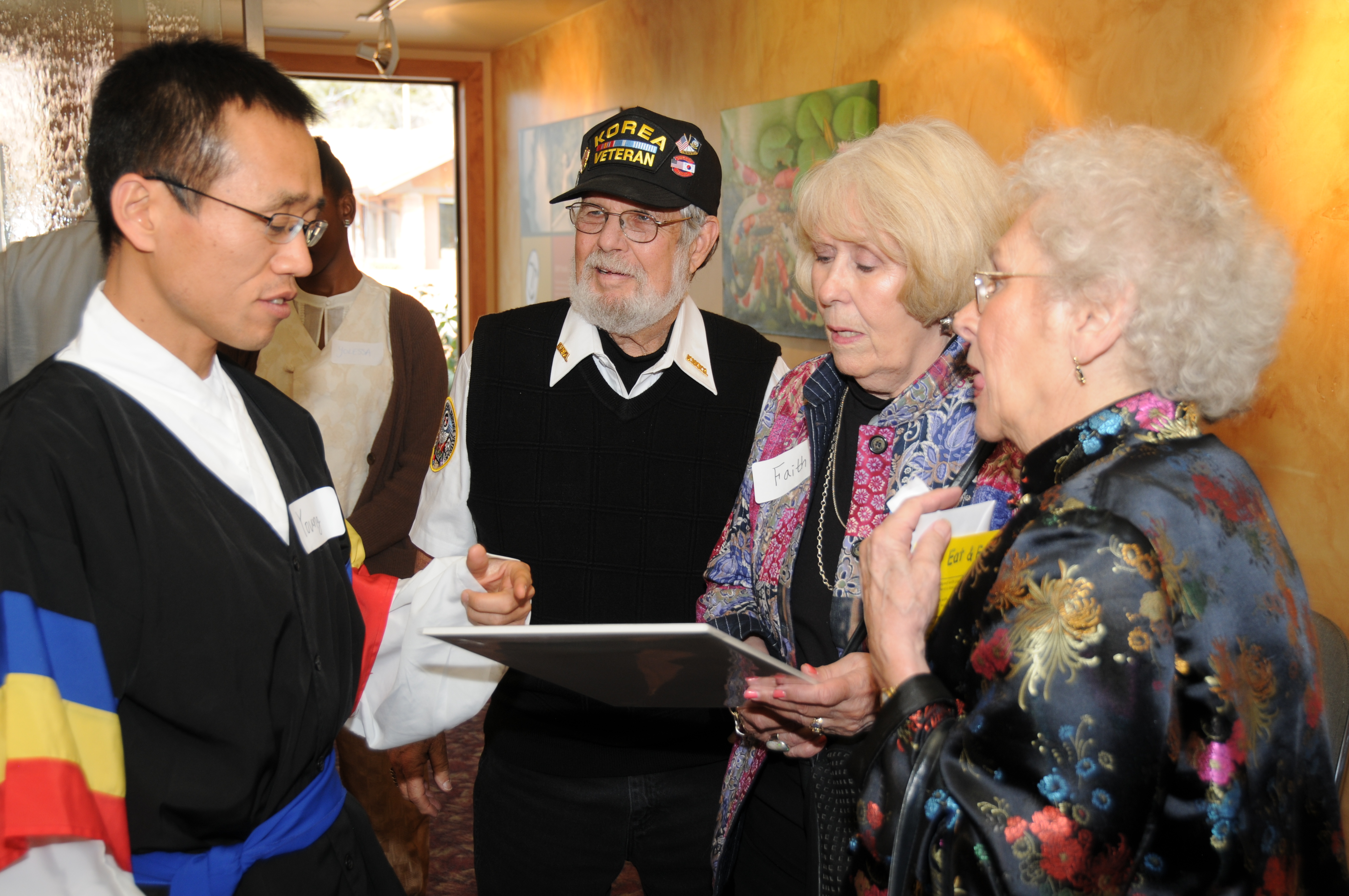
News and Events
Raffle winner is~
I'm a winner!
Calligraphy Message
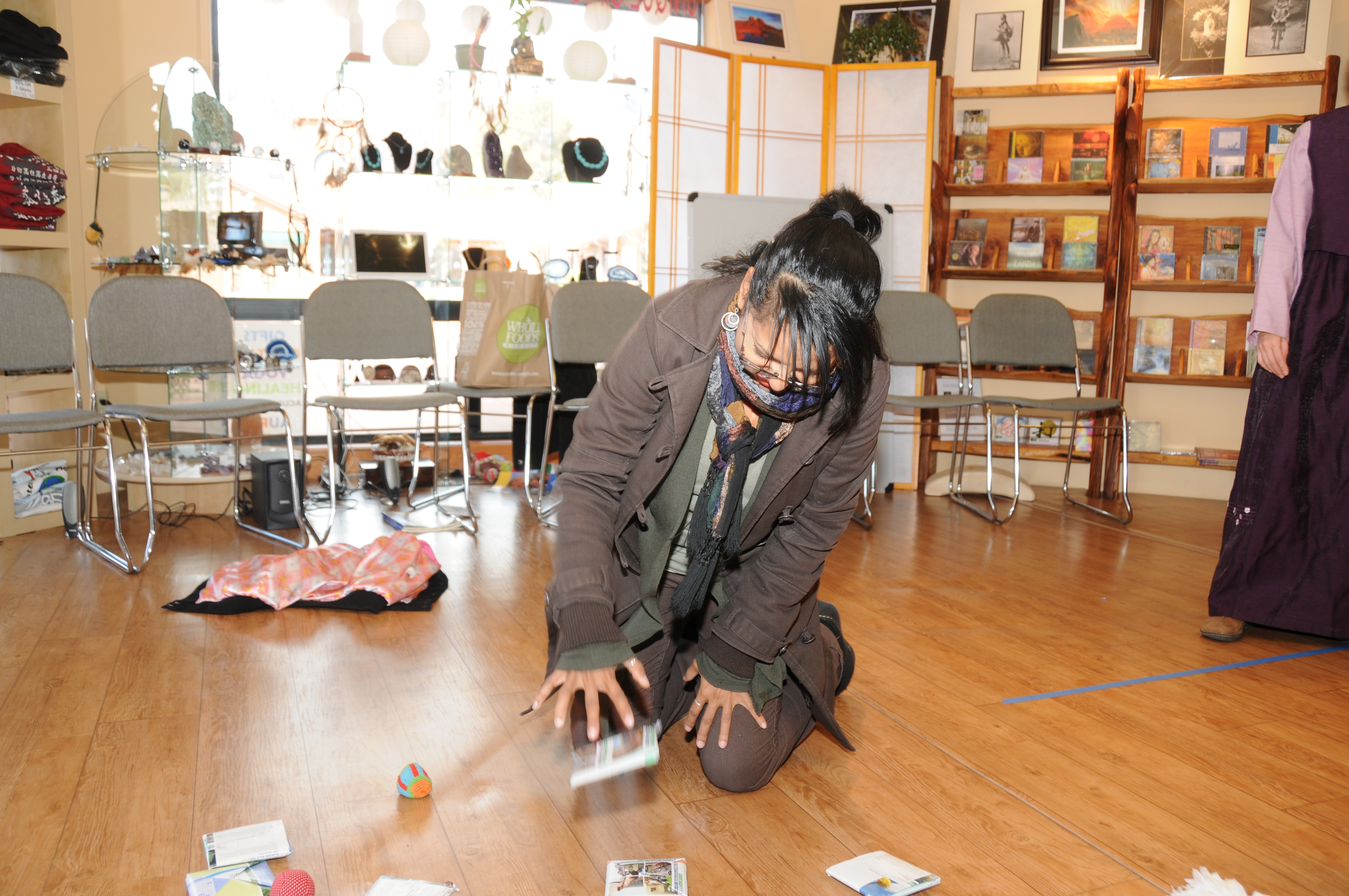
Ttakjji: Korean Traditional Folk Game
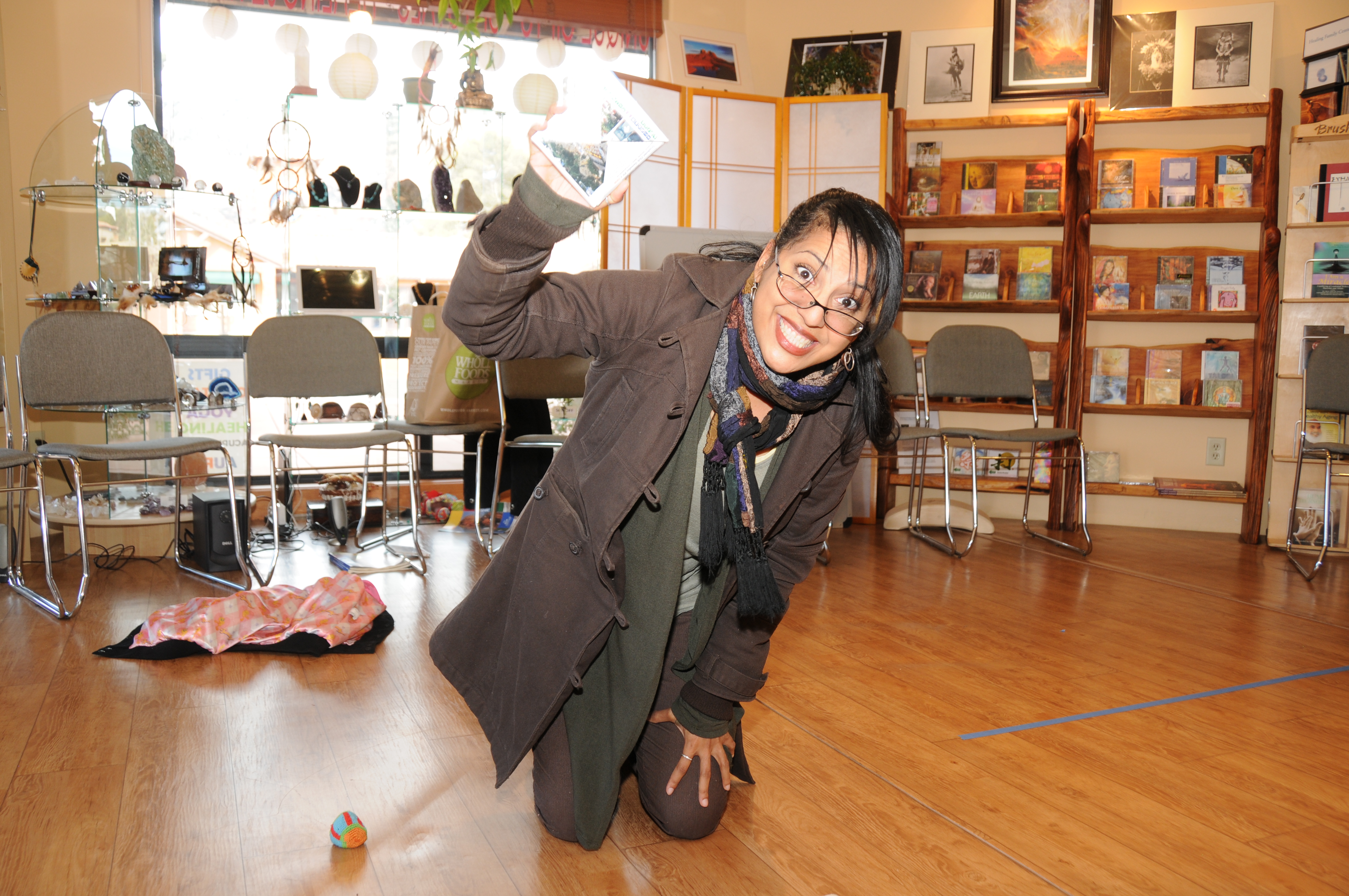
Kim is playing ttakjji!
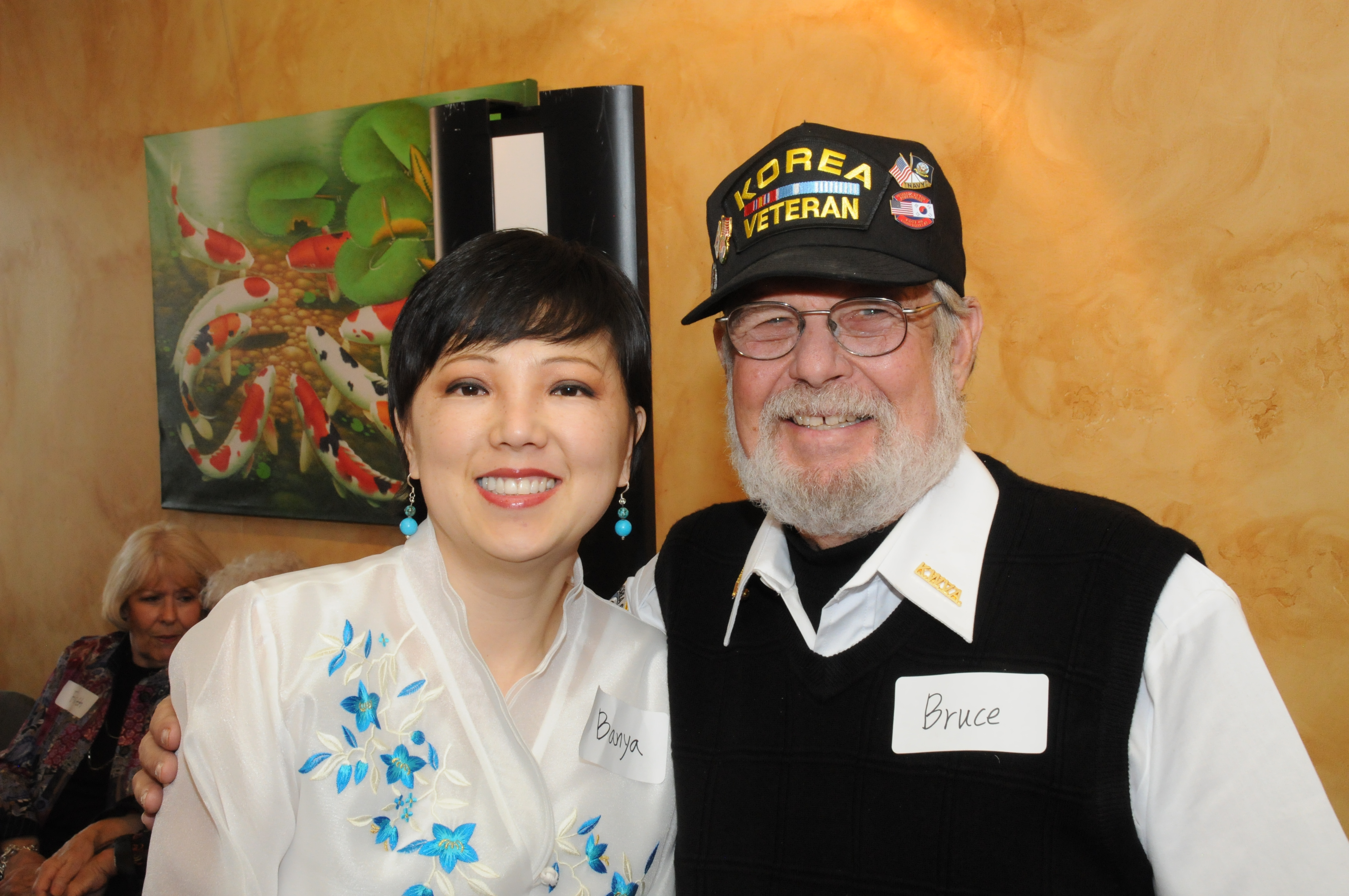
Banya and Bruce
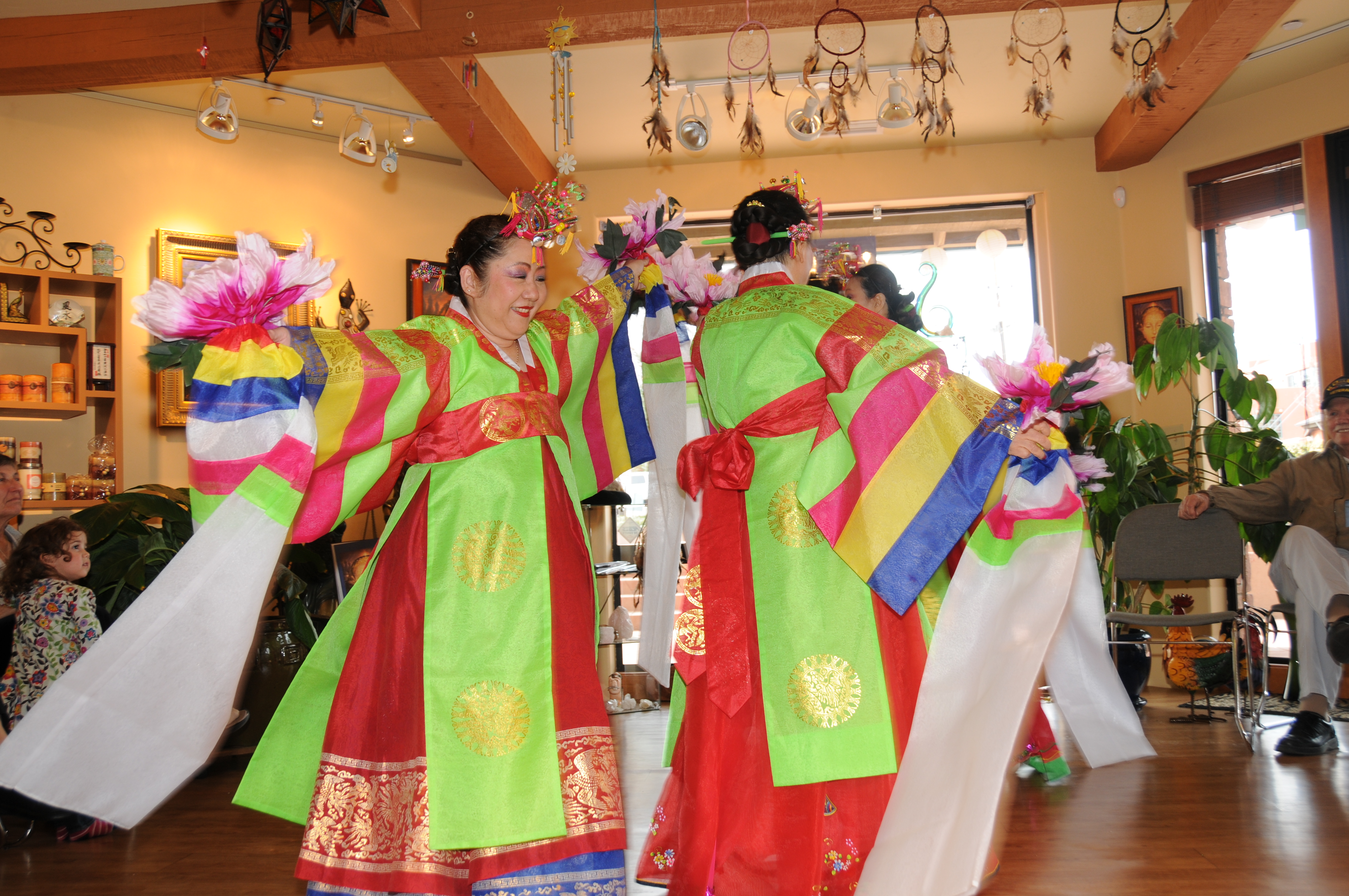
Arirang Korean Folk Dance Group: Flower Dance
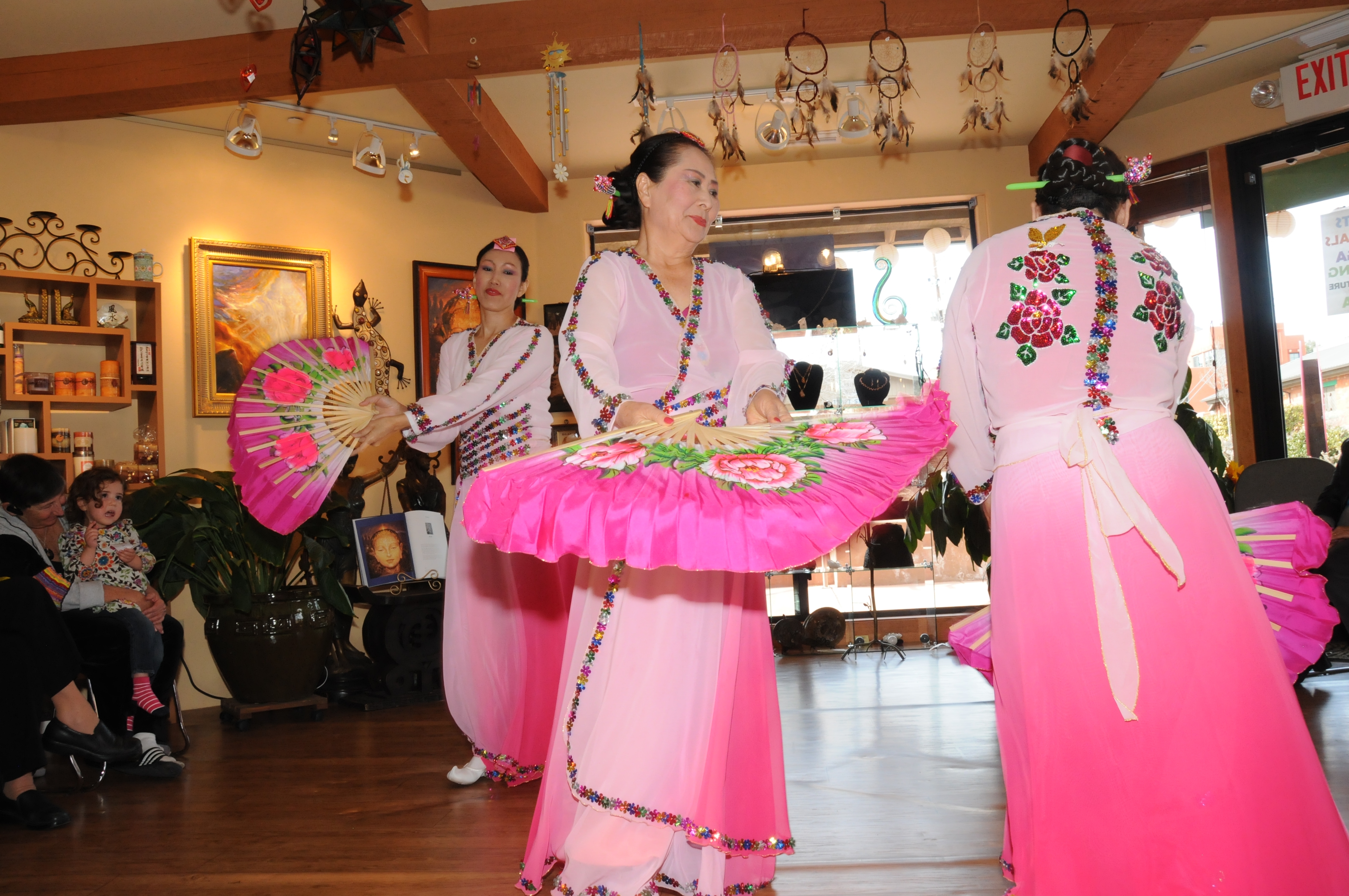
Arirang Korean Folk Dance Group: Fan Dance
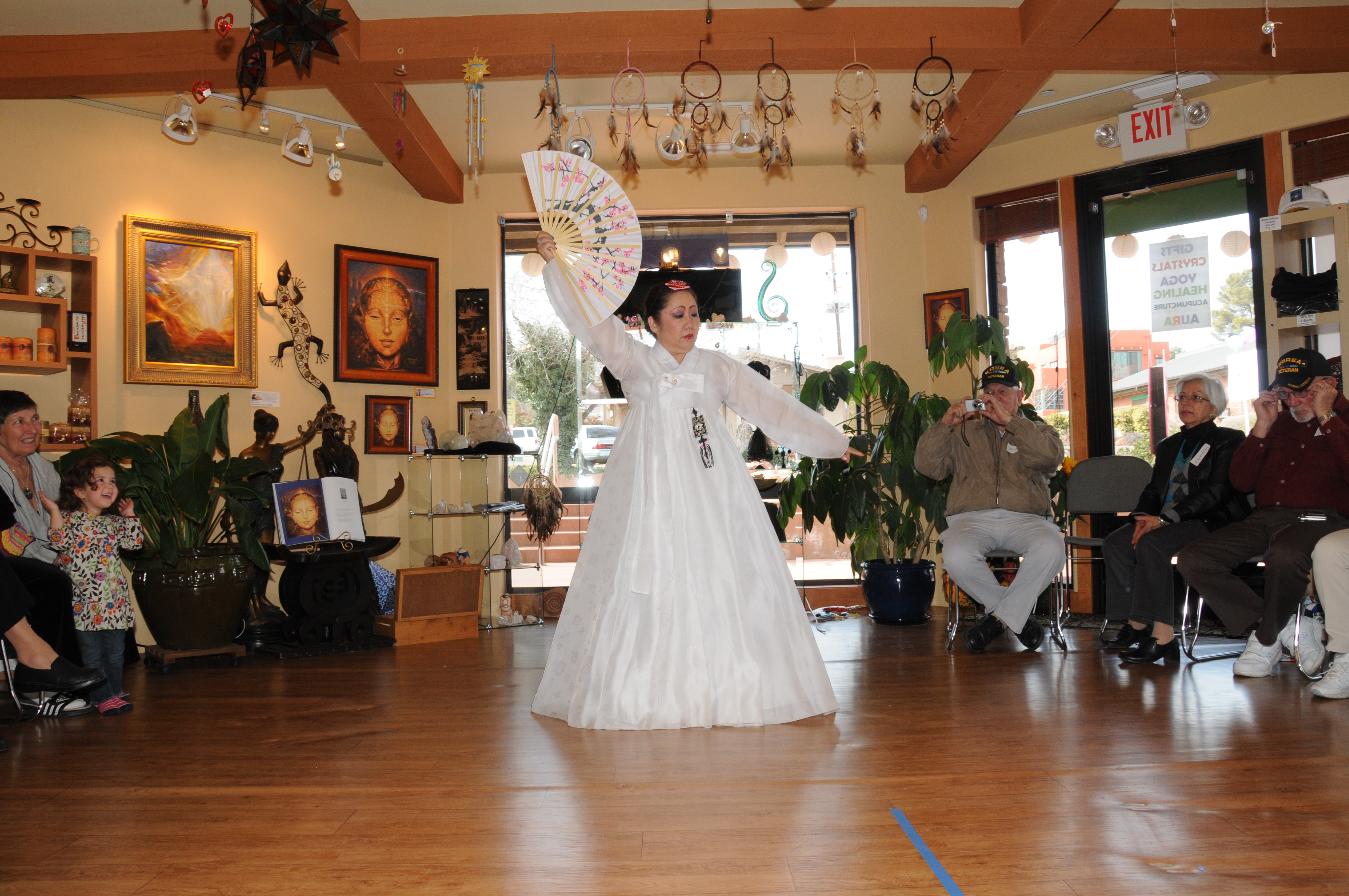
Arirang Korean Folk Dance Group: Solo Fan Dance
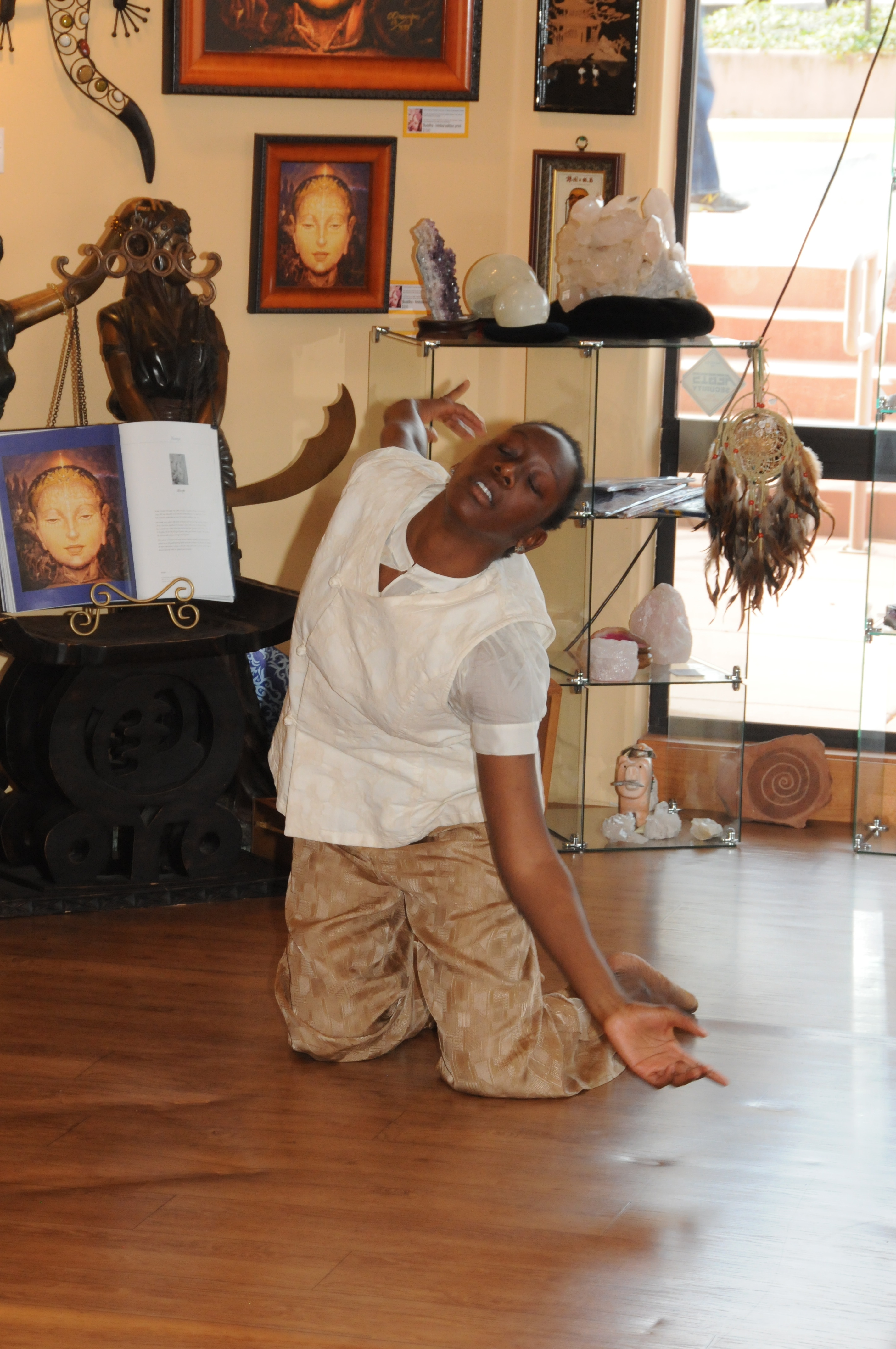
Yolessa Lawrinnce: Mago Dance
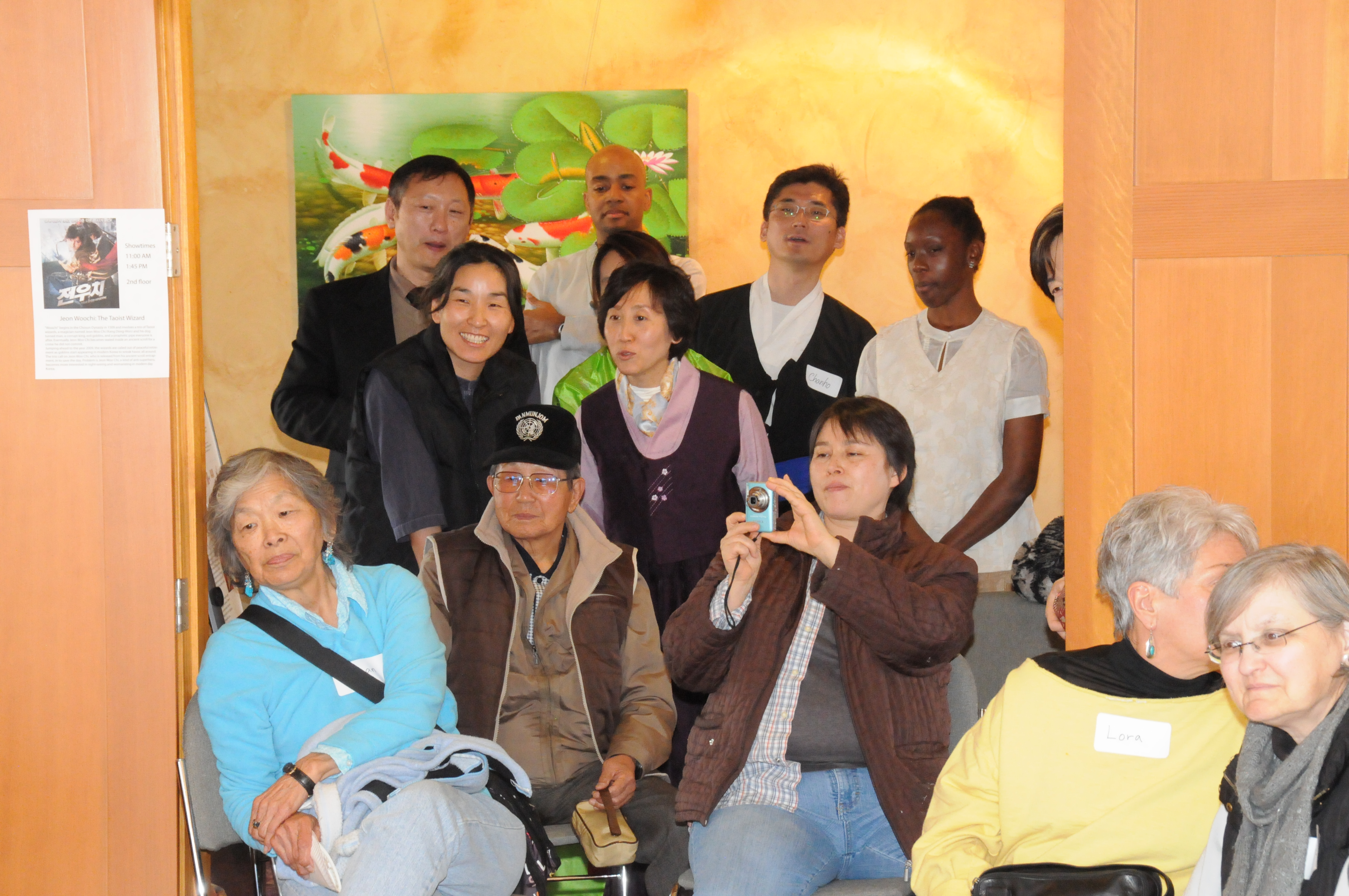
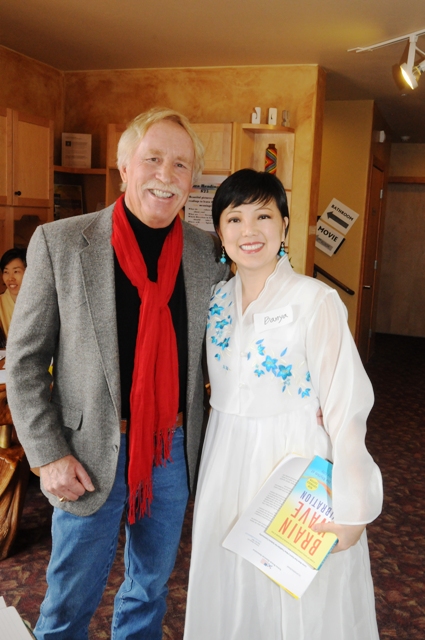
Rob Adams, Sedona mayor and Banya Lim, president of SKAA
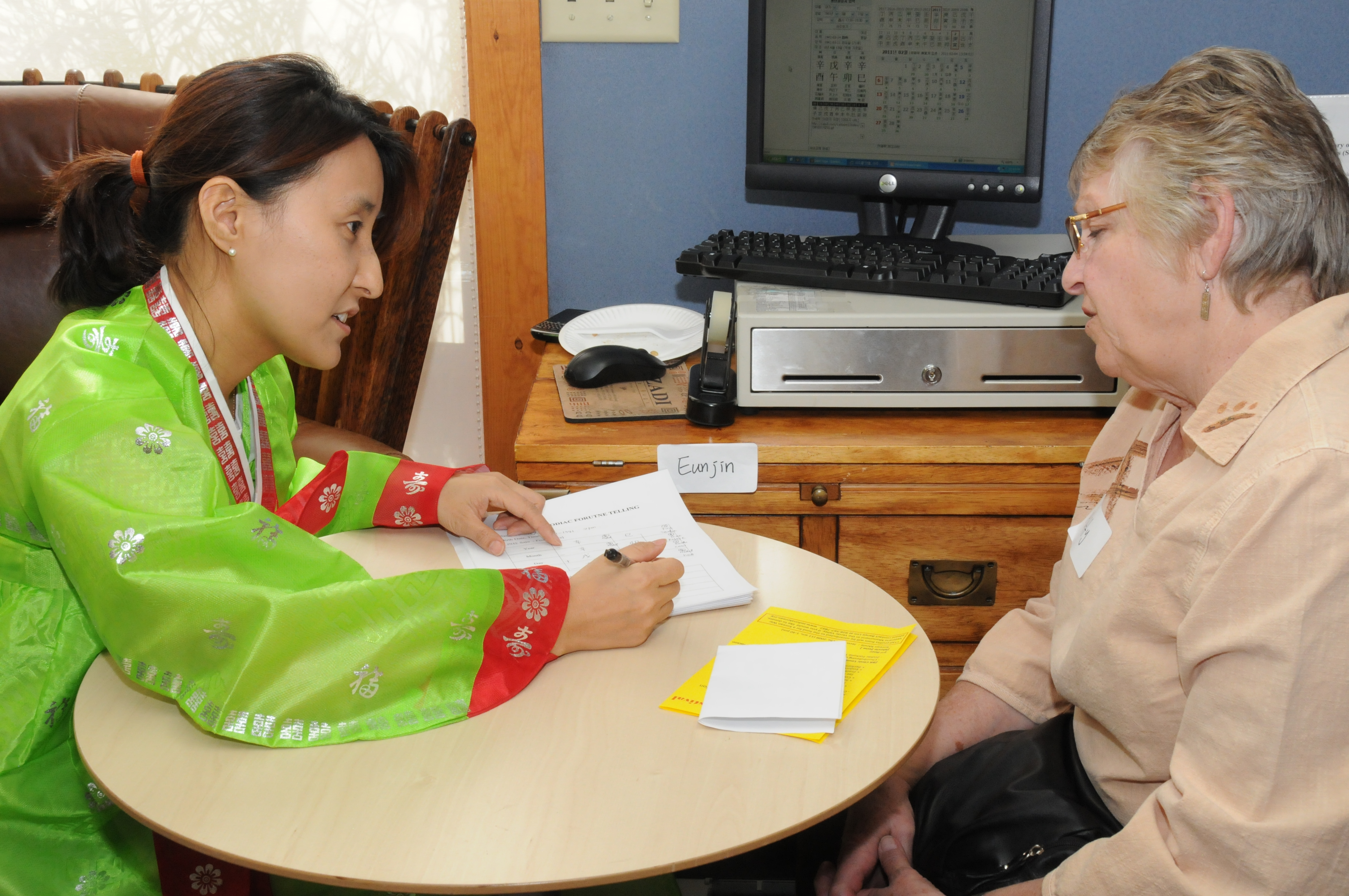
Chinese Zodiac Fortune Telling
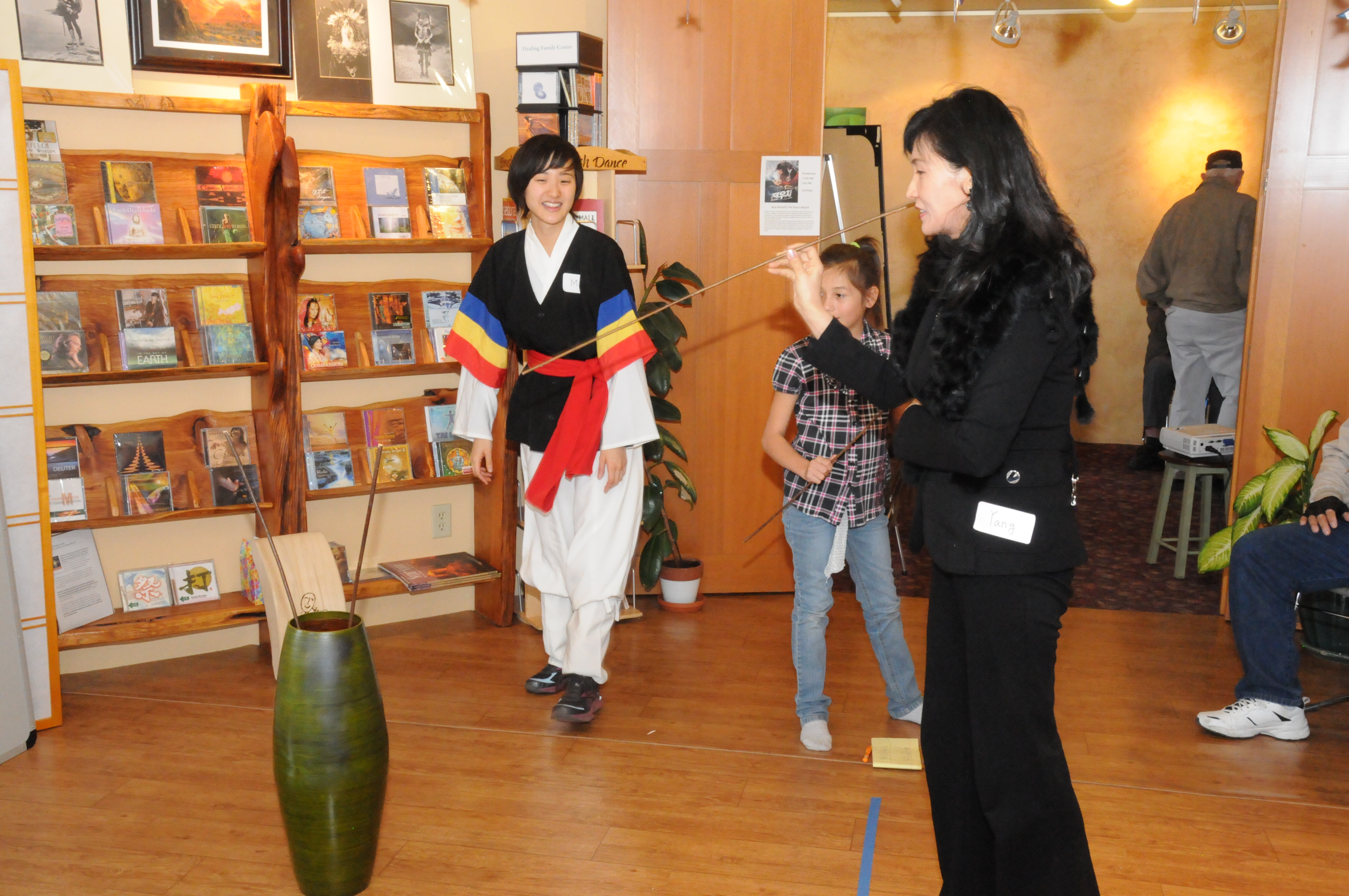
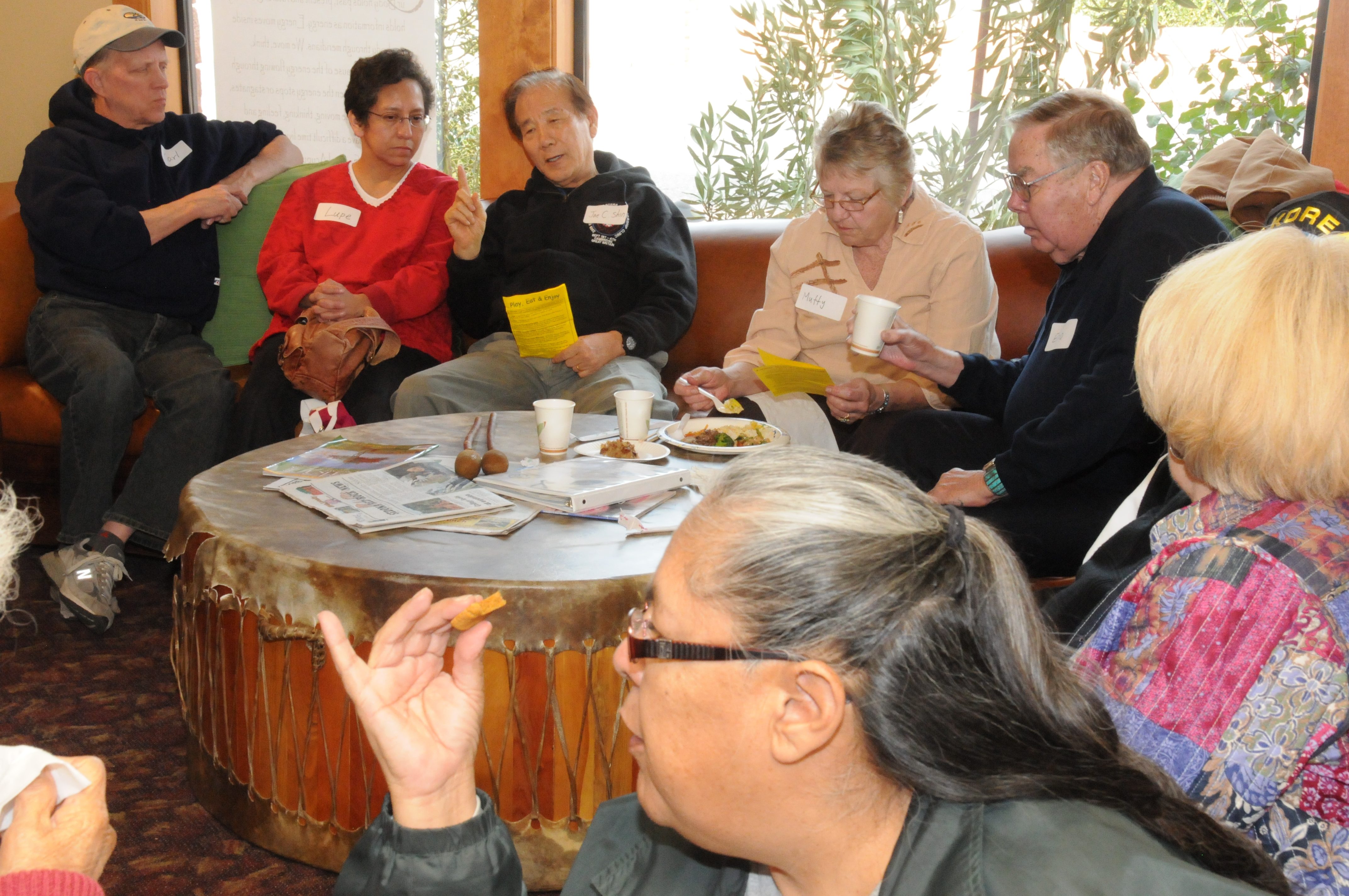
Tuho: Korean Traditional Folk Game
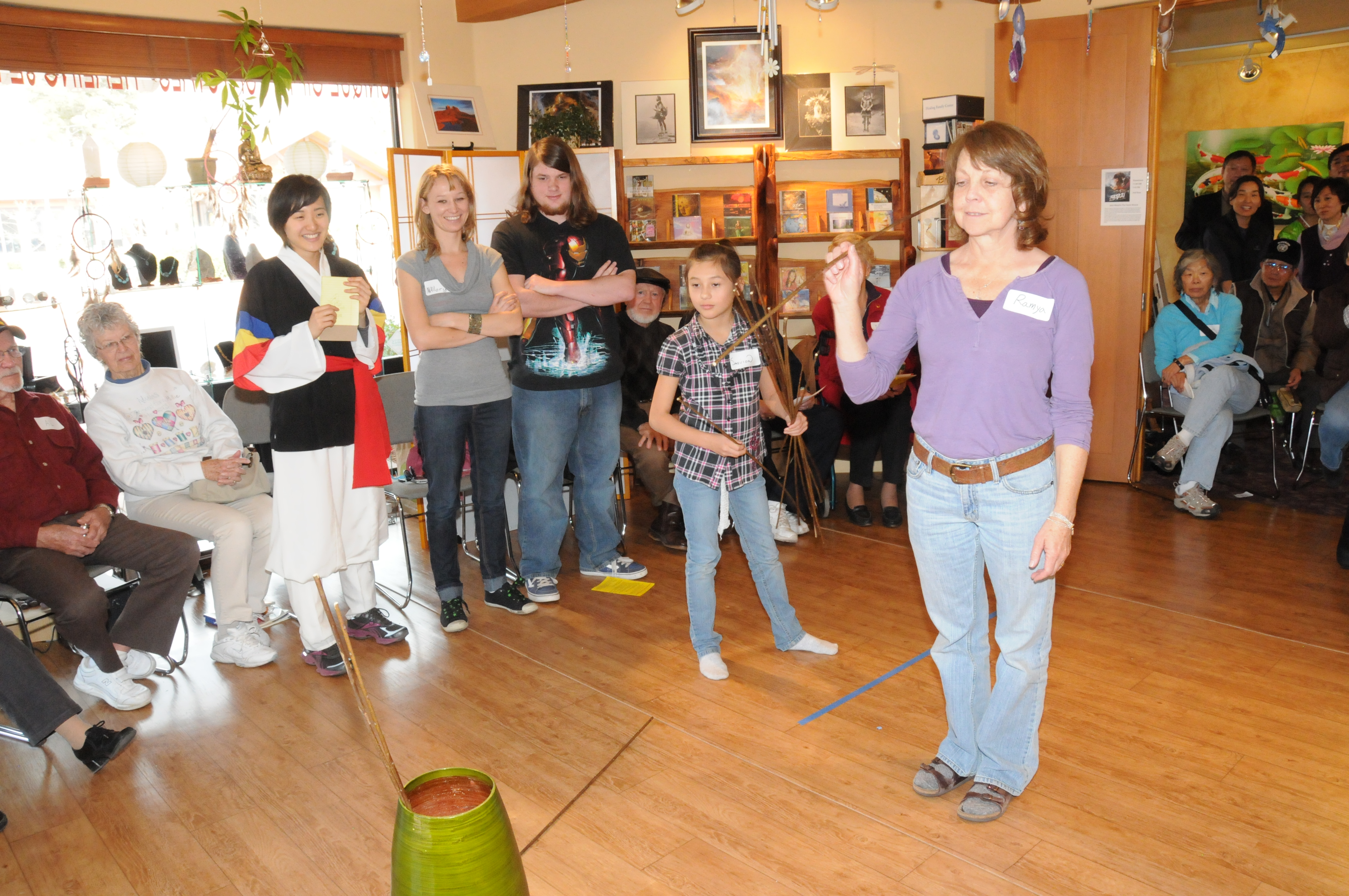
Tuho Contest!
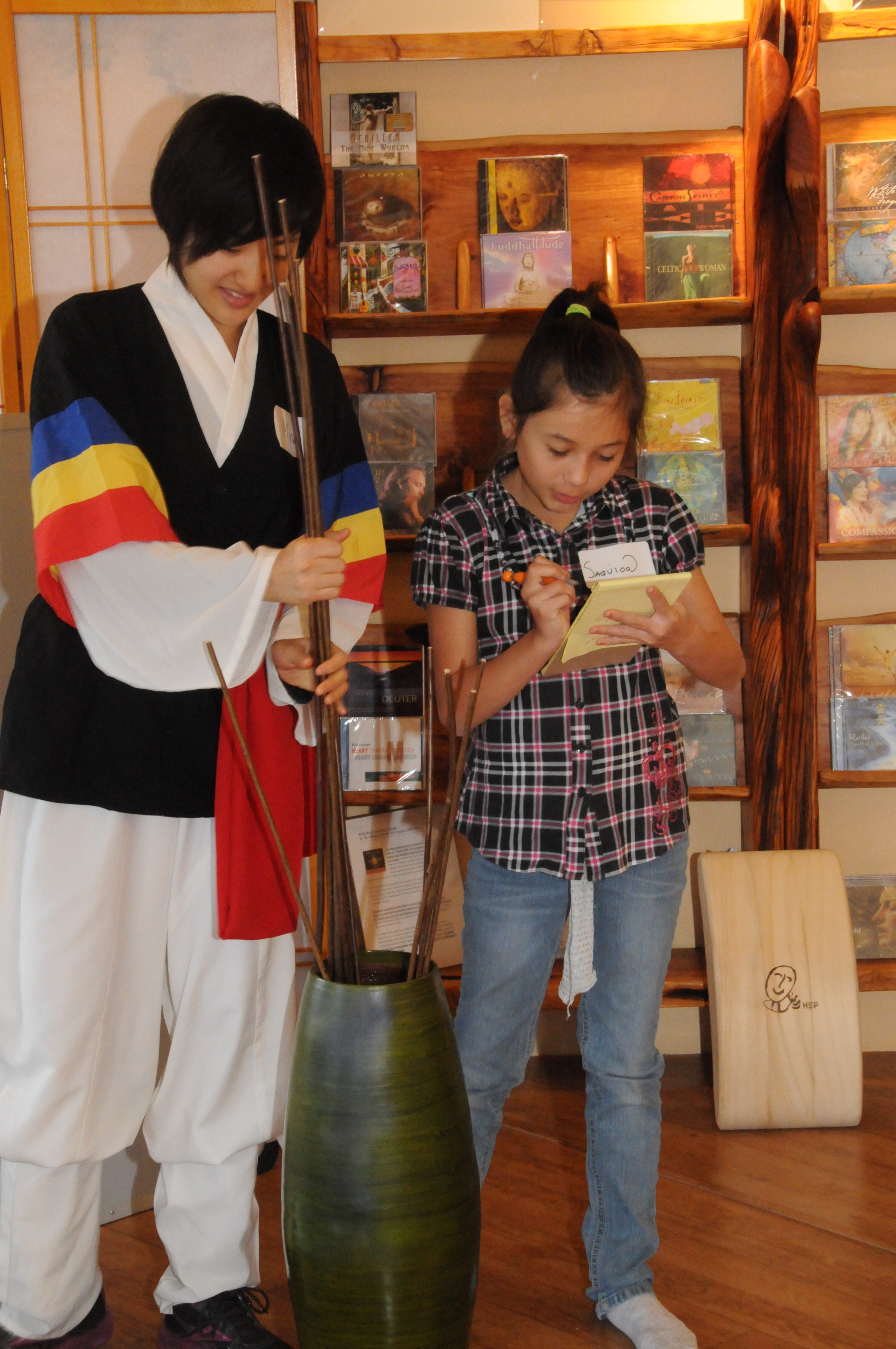
Volunteers: Mina Kim and Saquioa Trujillo
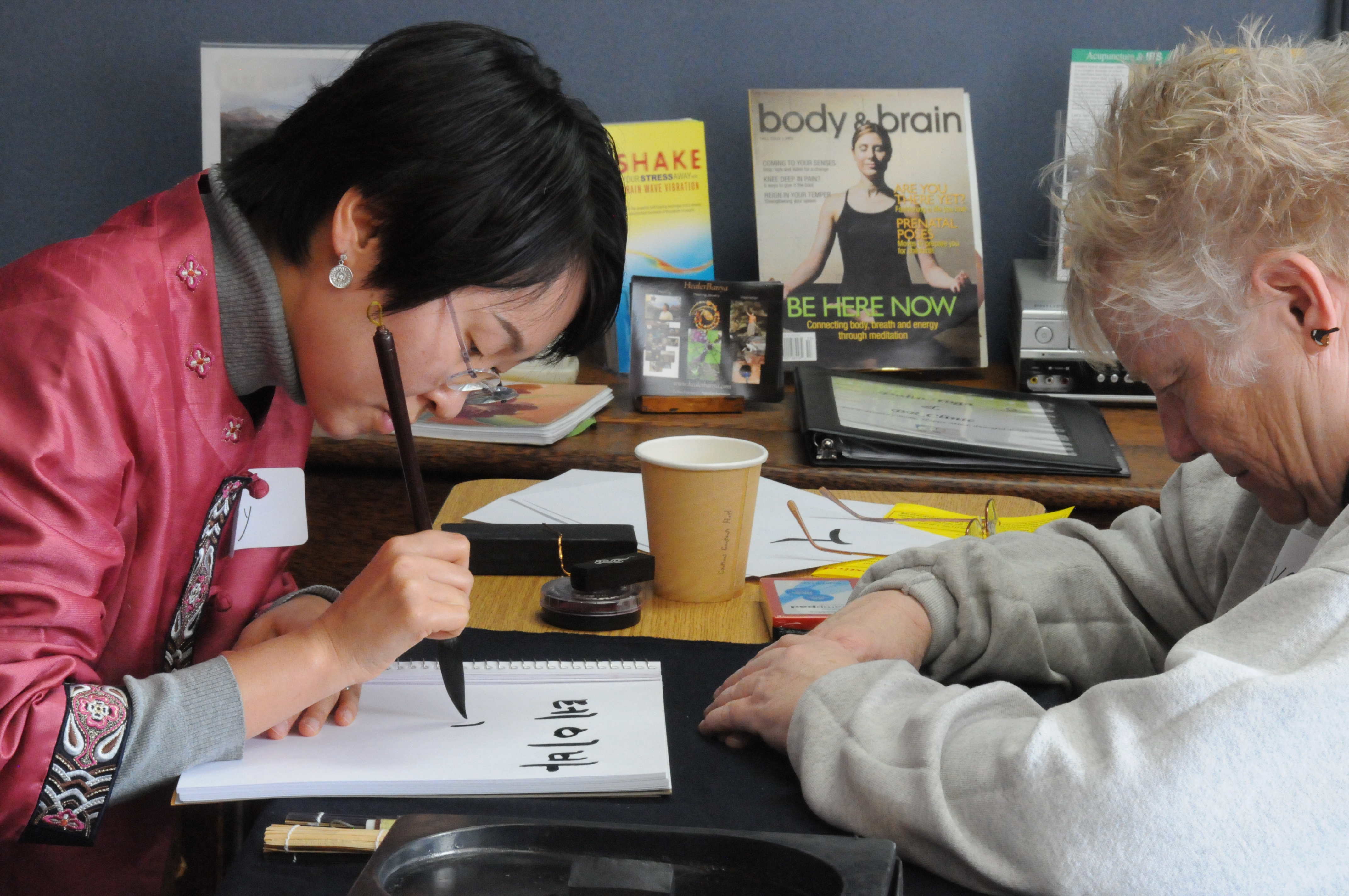
Personalized Calligraphy Art
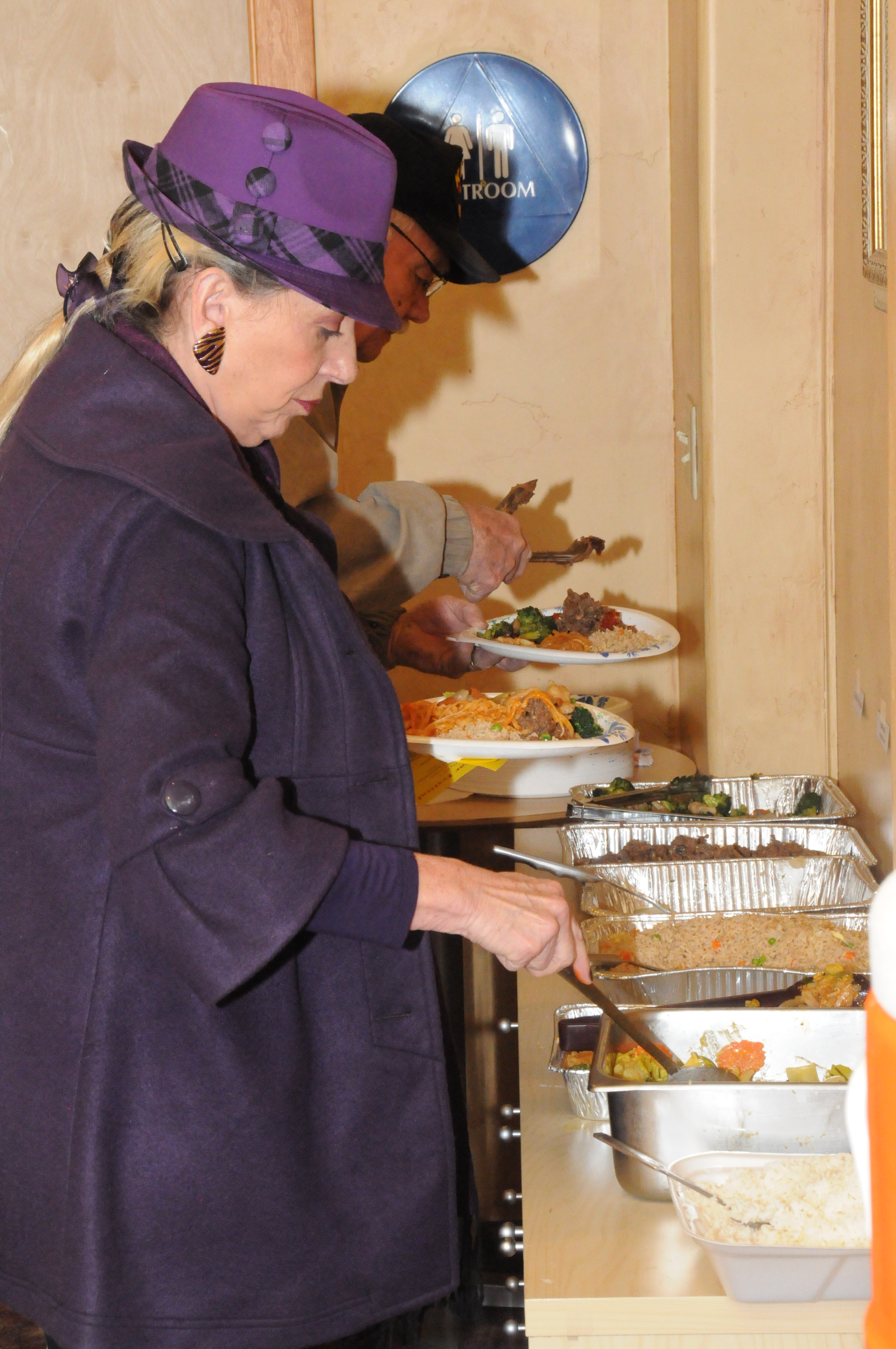
Traditional Asian Food
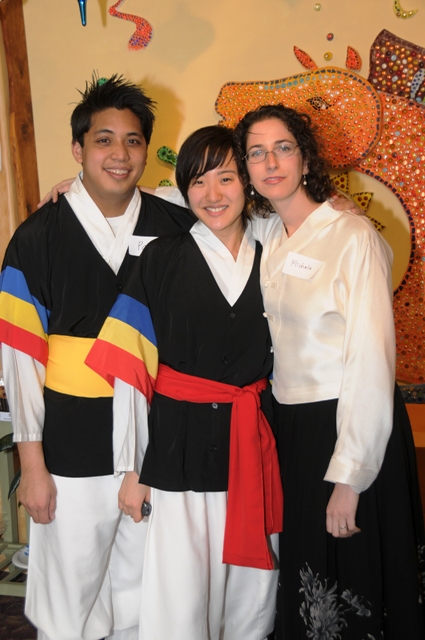
Volunteers: Paul Yanson, Mina Kim, Michela Mangiarachina
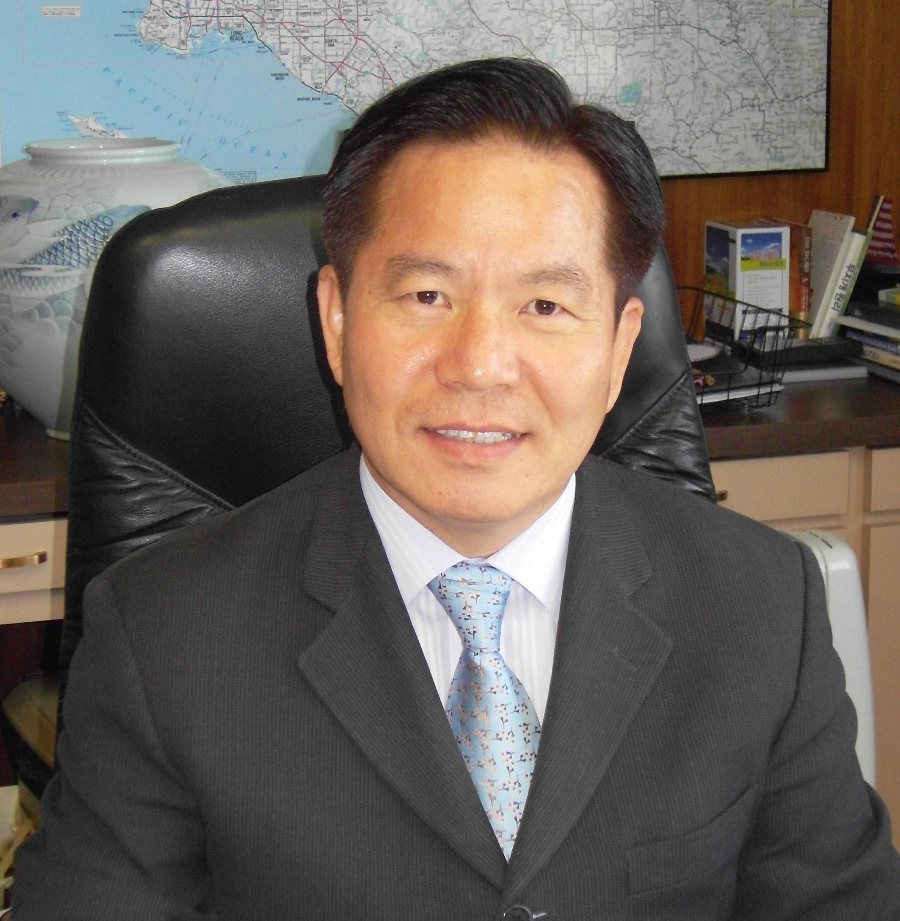 Dear Friends,
I’m so happy to extend my warmest greeting to all the participants of the 2011 Lunar New Year Festival in one of the most beautiful places in the world, heavenly Sedona!
This festival gives the thriving Korean community of Sedona the perfect opportunity to share the rich Korean heritage, art, and food with their neighbors. But what is particularly meaningful is that the goal of this event is to raise money for a very noble cause. Your support and generous donations will be contributed to the fund for raising a Korean War Veterans Memorial Monument in Verde Valley.
As Sedona is the home to several Korean War veterans, I’d like to take this opportunity to thank each and everyone of you for your courage and dedication which will forever serve as a reminder to people across the globe of the true value of democracy. We will always be indebted to you.
Thank you, Sedona Korean-American Association, for hosting this wonderful festival, and helping to spread Korean cultural awareness, and pride! Your efforts to raise money for the Korean War Veterans Memorial are deeply appreciated. Please, everyone, don’t hold back with your donations, we need to remember our veterans and honor them everyday.
I hope all your dreams flourish in the future, and may you forever keep the exquisiteness of Korean culture in your hearts and minds.
Happy Lunar New Year!
Jaesoo Kim
Consul General
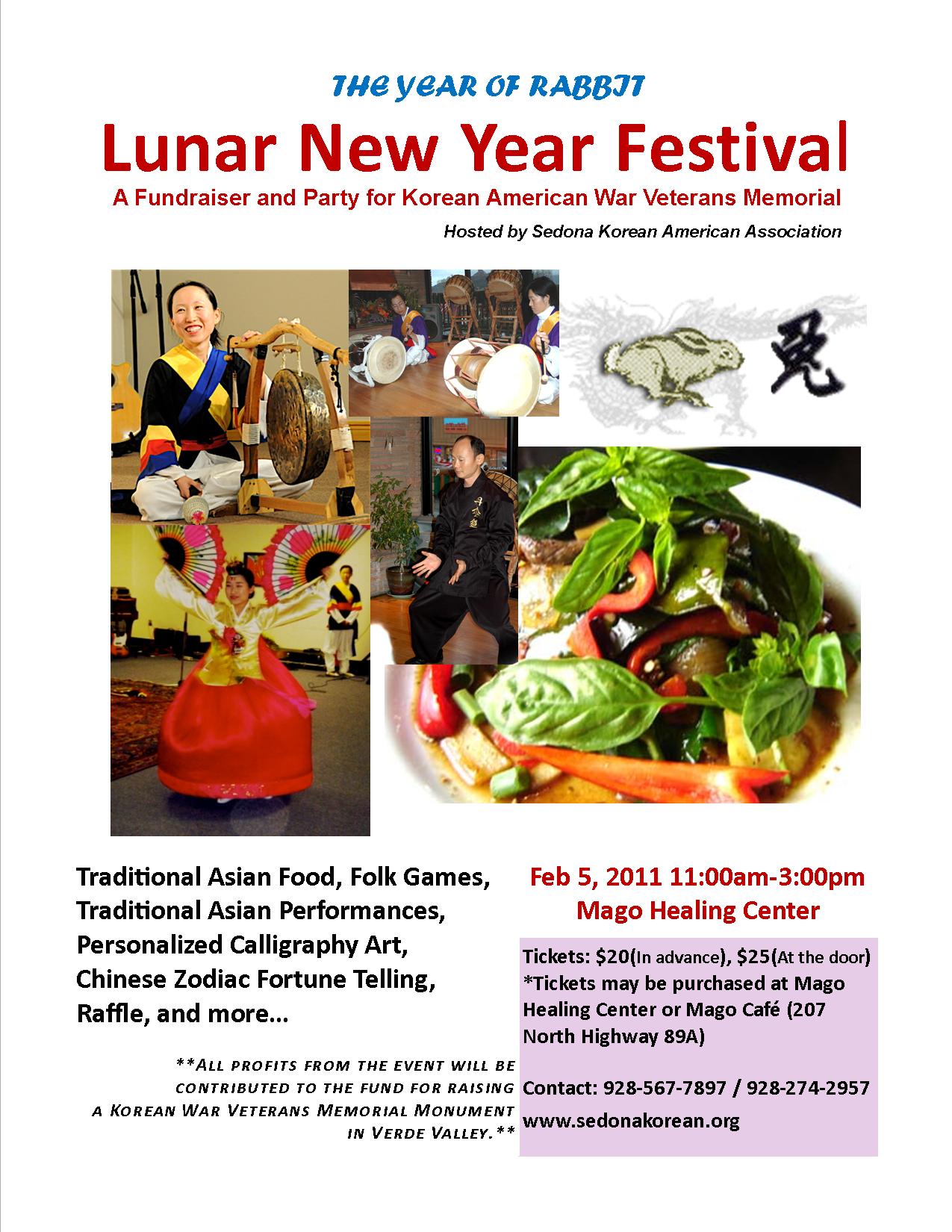
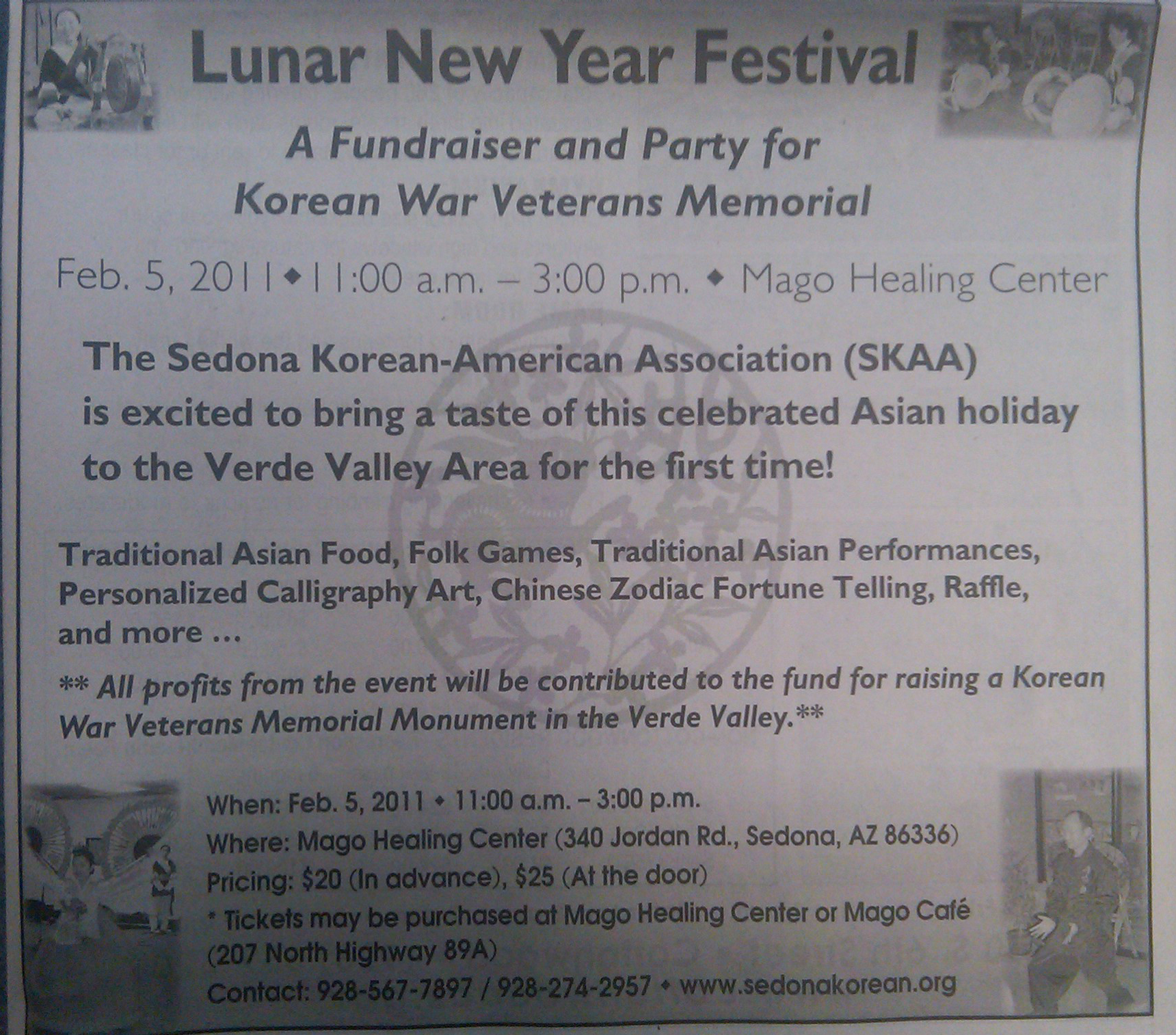
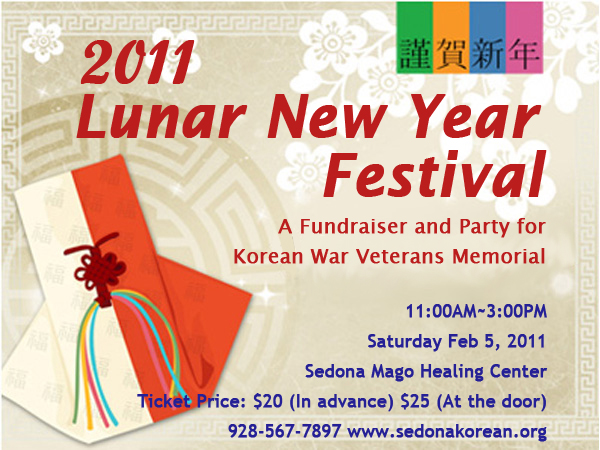
Sedona Korean American Association Hosts ‘Lunar New Year Festival’ to share culture and raise funds for the Korean Veterans War Memorial
The Lunar New Year is the most important holiday in South Korea, as it is for roughly 1.7 billion people throughout China, Japan, Mongolia, Tibet, and Vietnam. The festival celebrating the New Year traditionally begins on the first day of the first month in the Chinese calendar and ends with Lantern Festival which is on the 15th day. This year it starts Feb 3, 2011 and finishes at Feb 18, 2011.
The Sedona Korean-American Association (SKAA) is excited to bring a taste of this celebrated Asian holiday to Sedona for the first time. On February 5th, the Association is proud to host the ‘Lunar New Year Festival’, open to all Sedona residents. The Festival will celebrate the Lunar New Year as well as double as a fund-raiser for one of the SKAA’s main goals: raising a Korean War Veterans Memorial Monument in the Verde Valley.
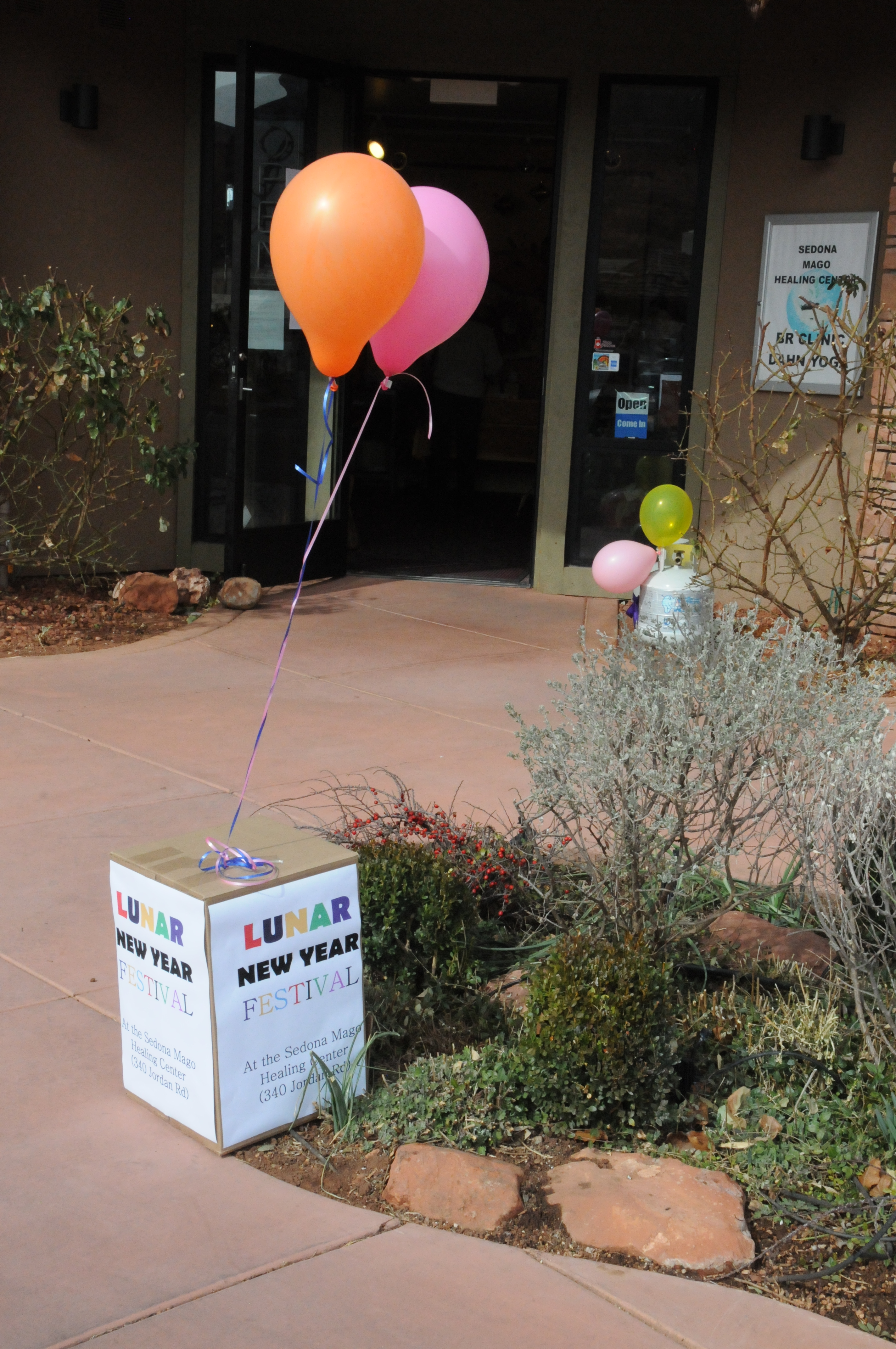
The festival will be held at the Mago Healing Center, 340 Jordan Road from 11am to 3pm. Banya Lim, president of the association, will serve as the master of ceremonies and invite everyone to be part of the Korean New Year’s tradition and games.
The Lunar New Year Festival will include elements of a typical celebration, featuring Korean food, Chinese Zodiac fortune telling, Sebae(ancestor ceremony), singing, traditional games, Korean movies, and calligraphy art. There will also be a raffle with various gifts from local businesses.
Tickets are $20 if paid in advance and $25 at the door. Tickets may be purchased at Mago Healing Center (340 Jordan Rd.) and Mago Café (207 North Highway 89A). All profits from the event will be contributed to the fund for raising a Korean War Veterans Memorial Monument in Verde Valley.
For more information or to RSVP, please visit http://www.sedonakorean.org or call 928-567-7897 / 928-274-2957
| When: Feb 5, 2011 11:00AM~3:00PM
Where: Mago Healing Center (340 Jordan Rd. Sedona AZ 86336) What: Traditional Asian Food, Folk Games, Personalized Calligraphy Art, Chinese Zodiac Fortune Telling, Korean Movies, Sebae (Traditional Lunar New Year Ceremony), Raffle. Pricing: $20 (In advance), $25 (at the door) Contact: Phone: 928-567-7897 / 928-274-2957 |
 Sedona Korean American Association is announcing that we actively support Korean War Veterans by raising funds for building Korean War Veteran Memorial Monument Northern AZ.
The monument will be dedicated to the many men and women that served during the “forgotten war”. The projected time line for completion of this project and the dedication ceremony is in June of 2012.
If you would like to contribute to the Korean War Veterans Memorial Monument Fund, please contact Banya Lim. (928-567-7897 / 928-274-2957) All donations are tax deductible.
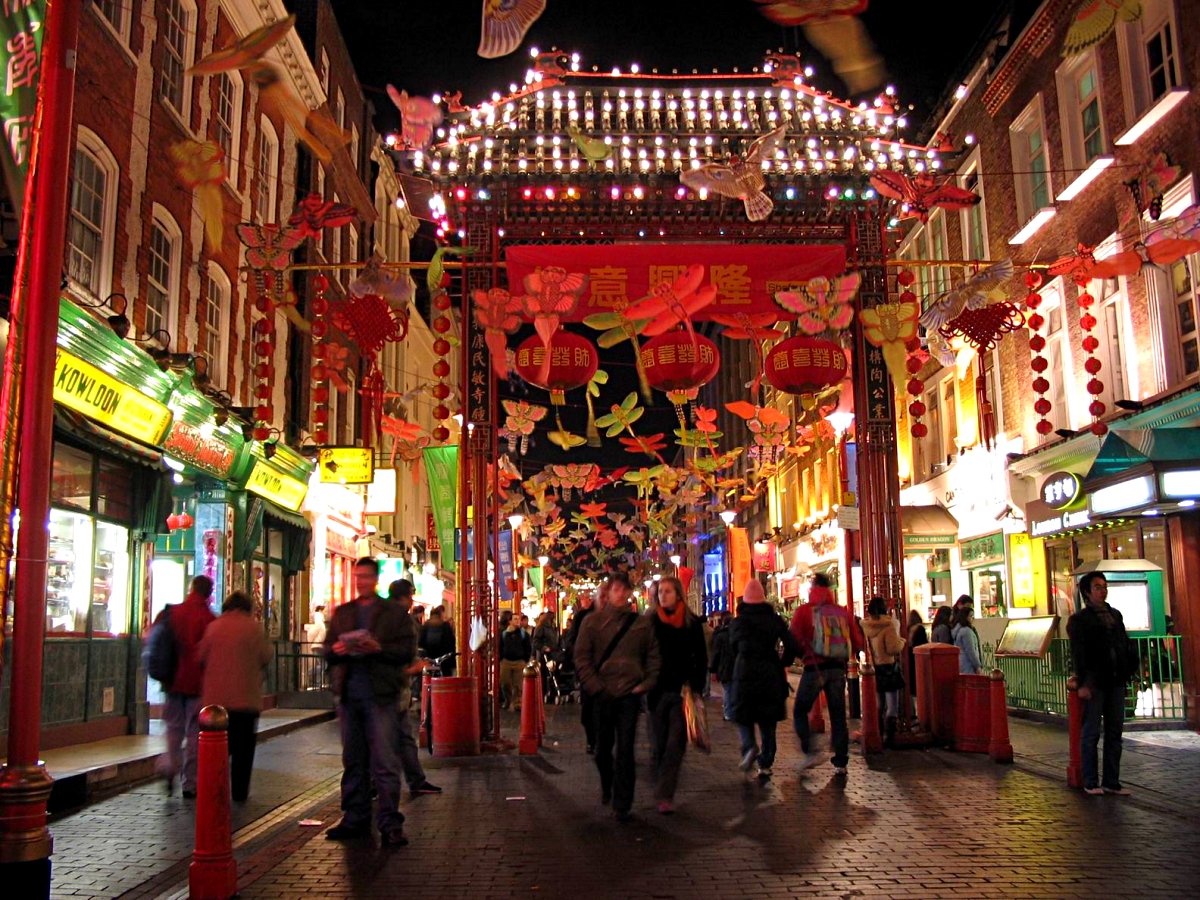 Lunar New Year, Chinese New Year, or Spring Festival is the most important of the traditional Asian holidays. Lunar New Year is the longest and most important festivity in the Chinese and other Asian contries’ Lunar Calendar which includes China, Korea, Tibet, Japan, Mongolia, Vietnam, etc.
Within China, regional customs and traditions concerning the celebration of the Chinese new year vary widely. People will pour out their money to buy presents, decoration, material, food, and clothing. It is also the tradition that every family thoroughly cleans the house to sweep away any ill-fortune in hopes to make way for good incoming luck. Windows and doors will be decorated with red colour paper-cuts and couplets with popular themes of “happiness”, “wealth”, and “longevity”. On the Eve of Chinese New Year, supper is a feast with families. Food will include such items as pigs, ducks, chicken and sweet delicacies. The family will end the night with firecrackers. Early the next morning, children will greet their parents by wishing them a healthy and happy new year, and receive money in red paper envelopes. The Chinese New Year tradition is a great way to reconcile; forgetting all grudges, and sincerely wish peace and happiness for everyone.
For more information, please click here.
Korean New Year, commonly known as Seollal (Hangul: 설날; RR: Seollal; MR: Sǒllal), is the first day of the lunar calendar. It is the most important of the traditional Korean holidays. It consists of a period of celebrations, starting on New Year’s Day. The Korean also celebrate solar New Year’s Day on January 1 each year, following the Gregorian Calendar. The Korean New Year holidays last three days, and is considered a more important holiday than the solar New Year’s Day.
Korean New Year is typically a family-oriented holiday. The three-day holiday is used by many to return to their home towns to visit their parents and other relatives where they perform the ancestral ritual known as charye (차례). Many Koreans dress up in colorful hanbok. Tteokguk (떡국) (soup with rice cakes) is commonly served.
Many Koreans greet the New Year (both Western and lunar) by visiting East coast locations such as Gangneung and Donghae in Gangwon province, where they are most likely to see the first rays of the New Year’s sun.
– Sebae
 Sebae is a traditionally observed activity on Seollal, and is filial-piety-oriented. Children wish their elders (grandparents, aunts and uncles, parents) a happy new year by performing one deep traditional bow (rites with more than one bow involved are usually for the dead) and the words saehae bok manhi badeuseyo (Hangul: 새해 복 많이 받으세요) which translates to please receive many blessings in the new year. Parents typically reward this gesture by giving their children new year’s money (usually in the form of crisp paper money) and offering words of wisdom, or deokdam. Historically, parents gave out rice cakes (ddeok) and fruit to their children instead.
– Folk games
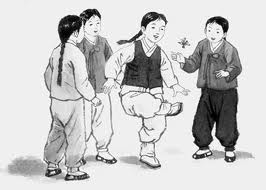 Many traditional games are associated with the Korean New Year. The traditional family board game Yutnori(윷놀이) is still a popular pastime. Traditionally men and boys would fly kites and play jegi chagi (제기차기), a game where a light object is wrapped in paper or cloth, and then kicked in a footbag like manner. Korean women and girls would have traditionally played neolttwigi (널뛰기), a game of jumping on a seesaw (시소), while children spun paengi (팽이).
For more information, please click here.
 Sedona Korean